Local System Diagnosis Safe Work
Understanding the Range of Electrical Service Offerings for Residential and Commercial Spaces
The landscape of electrical services is diverse, catering to both residential and commercial needs. Each sector presents unique challenges and requirements. Residential services often focus on installations and repairs, while commercial solutions involve more complex systems. Understanding these distinctions is crucial for ensuring safety and efficiency. However, the implications of choosing the right service extend beyond immediate needs. What factors should one consider when evaluating these offerings?
Residential Electrical Services
Residential electrical services encompass a broad range of solutions designed to learn the facts meet the needs of homeowners. These services include installations, repairs, and maintenance of electrical systems within residential properties. Common tasks performed by electricians involve wiring upgrades, circuit installations, and lighting enhancements, guaranteeing safety and efficiency in homes.
Additionally, electricians are often called upon to troubleshoot and repair electrical issues such as faulty outlets, flickering lights, and circuit breaker problems. They also provide essential services like the installation of ceiling fans, smoke detectors, and home security systems.
Energy efficiency is another focus of residential electrical services, with professionals offering solutions like LED lighting and smart home technology integration. Homeowners can benefit from routine electrical inspections, which help identify potential hazards and guarantee compliance with local codes. Overall, residential electrical services play a significant role in maintaining safe, functional, and modern living environments.
Commercial Electrical Services
When businesses require electrical solutions, they turn to commercial electrical services, which are tailored specifically to meet the demands of commercial properties. These services encompass a wide array of offerings such as electrical system installations, upgrades, and configurations designed for efficiency and compliance with safety regulations.
Commercial electrical services also include specialized lighting solutions that enhance visibility and energy efficiency, as well as the installation of power distribution systems to support various equipment and machinery. Additionally, these offerings typically include the incorporation of sophisticated systems, such as intelligent controls and power monitoring, to improve consumption patterns.
In addition to installations, these services ensure that the electrical infrastructure is ready for future modifications, providing long-term value. Expert electrical contractors are trained to manage the intricacy of extensive power networks, maintaining dependability and safety for business operations.
Scheduled Servicing and Restoration
Routine maintenance and repairs are crucial elements of service provision that guarantee the longevity and reliability of power infrastructure in business environments. Periodic checks assist in finding problems before they develop into costly problems. Electricians routinely inspect wiring, circuit breakers, and outlets to find indications of deterioration or harm, ensuring safety and compliance with regulations
Routine servicing also helps improve the efficiency of energy use, reducing operational costs for businesses. Such a forward-looking strategy reduces operational pauses, enabling firms to keep up their output while making sure the electrical infrastructure works properly
Moreover, timely repairs are essential to reduce dangers linked to power malfunctions, such as fire hazards or equipment malfunctions. By addressing issues promptly, businesses can avoid significant disruptions and maintain a safe working environment (Downers Grove Electrician). In conclusion, funding scheduled servicing and necessary remediation not only preserves the integrity of electrical systems but also enhances the total effectiveness of operations of commercial establishments
Power System Setup
The electrical infrastructure is the core of every business location, providing essential power and connectivity for operations. This infrastructure covers many parts, like outlets, lighting systems, circuit breakers, and cabling, created to address the particular demands of the firm. Installation commences with precise planning and engineering, ensuring compliance with local building codes and regulations. Skilled electricians undertake the installation to guarantee safety and reliability, reducing the potential for electrical dangers.
Beyond typical cabling, companies might need specialized infrastructure such as three-phase power for heavy machinery or data cabling for communication networks. Appropriate electrical work boosts not only efficiency but also contribute to the overall safety of the premises. Regular checks and following maintenance procedures are essential for making sure the setups continue to work and meet current standards. Crucially, proper power setups are necessary to meeting the varied demands of companies.
Upgrading for Energy Efficiency
Energy-saving modifications yield major gains, including reduced energy costs and less CO2 output. Standard enhancements available encompass LED lighting, efficient climate control mechanisms, and modern thermal barrier methods. By exploring these enhancements, property owners can achieve both financial savings and a positive impact on the environment.
Why Energy Efficiency Matters
Numerous advantages accompany installing energy-saving improvements, making them a smart financial move for both residential and commercial properties. To begin with, these upgrades greatly reduce the amount of energy used, resulting in decreased power costs and more money saved long-term. In addition, greater energy performance improves well-being through ensuring steady climate control and cutting down on cold spots. Properties with energy-efficient systems often experience an increase in market value, attracting eco-aware purchasers. Furthermore, numerous areas provide rebates, discounts, or financial deductions for making efficiency upgrades, further offsetting initial costs. Lastly, using efficient techniques helps lower the output of GHGs, supporting environmental health and helping nature. Overall, efficiency improvements provide both economic and ecological benefits, making them a prudent choice for those who own real estate.
Common Upgrade Options
When looking into efficiency improvements, property owners have a variety of options that significantly improve operation and lower expenses. A typical modification is the installation of energy-efficient lighting, for example, LED bulbs, which use less electricity and last for a longer time. A further choice involves improving thermal barriers in walls and attics, thereby decreasing energy escape and cuts down on HVAC bills. Automated climate systems can yield significant savings by adjusting climate settings optimally relative to when people are present. Additionally, modern heating and cooling equipment enhance the purity of the air and decrease energy demands. Solar panels represent a more extensive investment, allowing properties to harness renewable energy. By implementing these upgrades, property owners can secure major long-term savings and contribute to environmental sustainability.
24/7 Electrical Repair
What procedures should property owners follow in the event of an urgent electrical situation? Initially, they should ensure their well-being by turning off the main power supply if the situation allows. Afterward, they should evacuate the premises and contact first responders if there is a fire, smoke, or any critical threat. In situations that are not life-threatening, calling a certified electrical professional who offers immediate repair services is important. These professionals are able to resolve issues such as power outages, electrical surges, or broken devices promptly.
Rapid electrical response are designed to provide immediate assistance, often available 24/7, so that homeowners can recover normal use in their electrical systems quickly. It is vital for homeowners to build a connection with a dependable professional beforehand, as this can expedite response times during an emergency. Being prepared and informed of local support can lessen dangers and enhance safety during electrical crises.
Commonly Asked Questions
What Expertise Is Necessary in an Electrician?
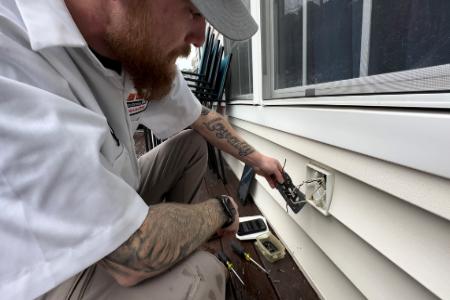
When looking for an electrical contractor, one should look for requirements such as a valid license, relevant certifications, proven history, insurance coverage, and favorable testimonials. These elements ensure professionalism, safety, and reliability in electric repairs.
When Is It Necessary to Arrange Electrical Inspections for My Property?
Electrical inspections should be scheduled approximately every four years for residential properties, while commercial spaces may require inspections every year. This guarantees compliance with safety standards, finding hidden risks, and maintenance of electrical systems.
How Can I Recognize Faulty Electrical Wiring?
Symptoms of bad electrical systems include frequent tripped circuit breakers, flickering lights, strange smells, frayed wires, and discolored outlets. These indicators often signal possible dangers, necessitating immediate inspection by a qualified electrician for safety.
Are DIY electrical repairs lawful and secure?
Do-it-yourself electrical maintenance carry inherent risks and might contravene local laws - Downers Grove Electrician. Without proper knowledge, one might sustain serious injury and potential legal consequences. It's highly recommended to call a licensed electrician for electrical issues to maintain safety and legality
How Do I Effectively Cut Down on My Energy Expenses?
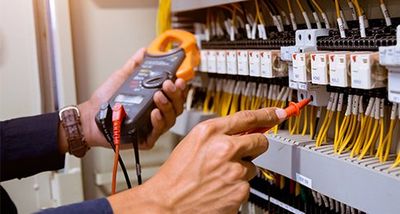
To successfully lower power costs, it is helpful to utilize high-efficiency equipment, make use of intelligent temperature regulators, insulate gaps, upgrade to light-emitting diodes, and practice mindful usage habits, which results in minimized consumption and a smaller final bill.